

Grief Intensive Therapy
A Short, Contained Space to Meet Grief Where it is Now
Grief does not move in a straight line.
It can soften for a time and then return unexpectedly—through anniversaries, triggers, body symptoms, dreams, relationships, or moments when life slows down enough for everything to be felt again.
You don’t need to wait until it becomes overwhelming to receive support.
This Grief Intensive is a focused, short-term container for people who are noticing that grief is active again—or never fully left—and who want support in moving through it with steadiness, care, and structure.

Who This is For
This intensive is for you if:
You are experiencing waves of grief that feel more active or destabilizing again
You are navigating an anniversary, trigger, or recent emotional activation
Anxiety, panic, numbness, or emotional overwhelm has increased
You feel like you are “holding it together” but internally feel unsteady
You sense there is something in your grief that hasn’t fully moved through
You do not need to be in crisis to benefit from this work.
You simply need to feel that what you are carrying would benefit from deeper, contained support.

What This Work Supports
In this container, we work gently and directly with what is present so that your system is not holding it alone.
Clients often experience:
A sense of grounding and internal settling
Relief from emotional intensity or looping thoughts
A clearer, more compassionate relationship with their grief
More capacity in the body to hold what has been painful
A felt sense of connection to what or who has been lost
This is not about “moving on.”
It is about helping grief move through you in a way that feels less isolating and overwhelming.

How This Works
This is a structured short-term container over 1–2 weeks:
1. Initial Assessment Session (75–90 min)
We gently orient to what is most present, and identify what your system is carrying right now.
2. Two Deep Processing Sessions (90 min each)
We work with what is active in the body, emotions, and memory in a paced, supported way.
3. Integration Session (60–75 min)
We bring closure, grounding, and help you orient back into daily life with more steadiness.
Sessions are intentionally spaced closely so your system is supported continuously, rather than re-opening and closing over long gaps.

Why People Choose This Now
Grief often asks for a different kind of attention than weekly support can offer.
This container is designed for moments when:
things feel too active to wait
something has surfaced that needs attention now
your system is asking for deeper holding and resolution
Anyone can experience profound healing

Experiences within IADC Grief Therapy can vary. For some, the work is marked by a profound sense of peace, connection, or wholeness. Others may experience imagery, inner dialogue, felt presence, or moments of deep appreciation for the life that was lived. There is no expected outcome, and no pressure to have a particular kind of experience.
In some cases, caregivers of living children who are disabled or non-verbal have found comfort and meaning through this process—connecting with the child’s soul, their own higher wisdom, or a sense of spiritual knowing that supports resilience and love beyond language.
This is not bypass work. IADC Grief Therapy does not avoid pain, complexity, or ambivalence. Grief is met directly, with care and steadiness. The intensive format creates a sacred, protected space where sorrow can be witnessed with compassion, dignity, and grace—without pressure to “move on,” reframe, or make meaning prematurely.
In this work, the griever is not broken.
They are the conduit for integration, remembrance, and evolution.
What You Might Notice After:
People often report:
feeling more emotionally “held” and less alone in their grief
reduced internal pressure or overwhelm
more clarity and softness around their loss
a deeper sense of connection rather than disconnection
FAQ
-
Currently all of my work with clients takes place in the virtual space through Jane, a secure online booking system (similar to zoom).
EMDR & IADC Grief Therapy works just as well as in-person for most clients. -
What the IADC grief therapy process looks like
Step 1: Initial Session - 60 minutes
Step 2: Session One – 90 minutes
We’ll review your history, clarify your intentions for the work, and begin the IADC grief protocol. The focus is on safely accessing and processing the core emotions of your grief.Step 3: Session Two and Three – 90 minutes each
Within [X days / 1–2 weeks], we complete the protocol, deepen the experience, and support you in integrating what arose—emotionally and practically—into your life going forward.Step 4: Integration - 90 minutes
A final, but important step is the integration session where we review what was experienced, meaning-making, and plan for what might arise in the future.
(Hours are Mondays - Thursdays, 9-4pm) -
My fee is $275 per hour.
I offer a highly specialized, individualized psychotherapy service for people seeking lasting relief from phobias, anxiety, and trauma-related challenges. This fee reflects advanced EMDR training, ongoing professional development, years of clinical experience, and a commitment to providing thoughtful, personalized care.
Rather than a one-size-fits-all approach, treatment is tailored to your unique nervous system, history, and goals, helping you move toward meaningful and sustainable change.
-
IADC Grief Therapy is typically a 4 session model, each 90 minutes in length, over a short period of time, such as 7 days.
IADC Grief Intensive Therapy may not be the right first step if you’re in immediate crisis, struggling with suicidal thoughts, or dealing with severe instability in other areas of your life. In those cases, we would typically begin with ongoing 1–1 therapy first and consider IADC when you have more stability and support.
And remember, you can always contact your local hospital or crisis line for immediate support. Resources for Toronto Area Here
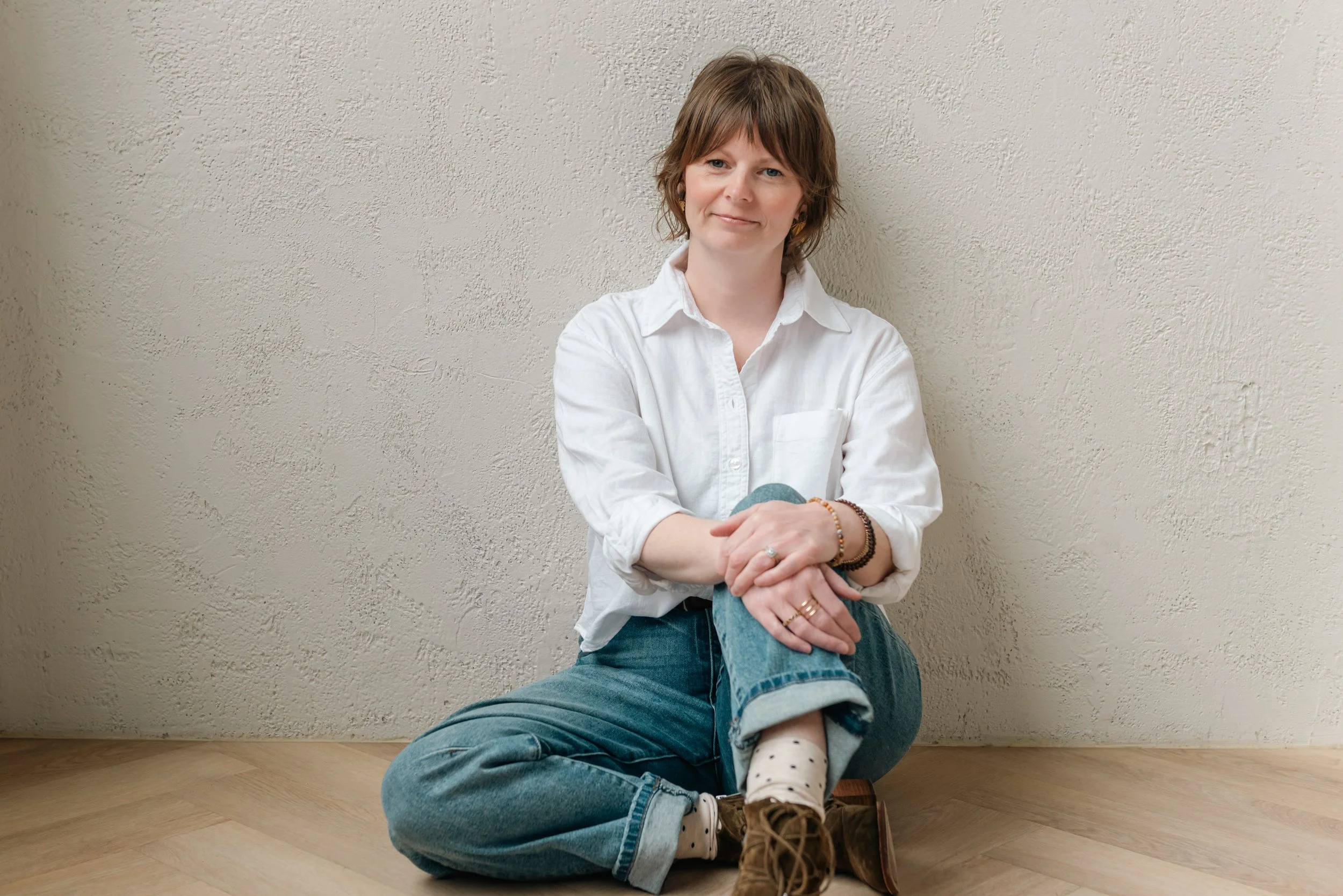
Why I do this work
I am devoted to supporting a different way of relating to death, grief, and love—one that honors death as part of life and grief as a meaningful, transformative process rather than something to fix or move past. Through my work with clients, especially in IADC Therapy (Induced After-Death Communication)—a grief resolution intervention—I have repeatedly witnessed something both humbling and hopeful: even after tragic or horrific losses, people are capable of experiencing profound peace, connection, and relief. Trauma can be put to rest. Hearts can reopen. And love can continue in a new, deeper way—through how we remember, relate to, and carry our loved ones forward. Love, I believe, is eternal and not limited by physical death.
This work has also shown me that healing is possible even when relationships in life were complex, painful, or abusive. In cases of complicated grief—particularly with difficult or harmful parents—I have often witnessed resolution that does not require forgetting what happened or offering forgiveness before one is ready. Instead, clients find peace in knowing the suffering is over. They come to hold the full truth of the relationship with greater compassion and clarity, allowing them to move forward with more harmony, acceptance, and freedom in their own lives.
I feel called to this work as a sacred assignment. My comfort with death and curiosity about the great unknown have always been present, alongside a deep respect for its mystery and universality. Death, to me, is not morbid—it is an invitation to live fully, whatever that means for each person. As one client once said, “No one ever not died.” She’s right. When we allow death into everyday conversation, it offers perspective. It reminds us to live courageously, love more deeply, and stay connected to what truly matters.

Availability
I offer a very small number of these intensives each month to ensure depth and presence.
If you feel called to this work, you can reach out to ask questions and get started right away. therapy@andreaskitch.com